2026-05-20
What Tiles Are Best for Malaysian Bathrooms?
By Low Brother Ceramics · Tile specialists in Bentong, Pahang, since 1991
We've been supplying tiles to homeowners and contractors across Bentong, Raub, Karak, and Mentakab since 1991. Of all the questions we answer in the showroom, bathroom tile questions come up the most — and more often than not, they come up because something has already gone wrong.
The floor that looked fine in the catalogue turned slippery after the first wet week. The light-coloured grout that looked clean on installation day grew dark mould lines by the third month. The cheaper floor tiles that started lifting after two rainy seasons.
In Malaysia's climate — year-round humidity, hot showers that linger, and bathrooms in many homes that don't fully dry between uses — tile choice carries real consequences. This guide reflects what we've learned from supplying tiles for renovations across Pahang, and what we consistently recommend to homeowners who ask us for honest advice.
Best bathroom tiles for Malaysian homes: For bathroom floors, fully vitrified porcelain tiles are usually the safest long-term choice because they are dense, durable, and absorb very little water. In humid areas, choose porcelain tiles with water absorption of 0.5% or below, preferably with a matte or textured anti-slip surface. For bathroom walls, ceramic tiles can also work well because walls face less foot traffic and standing water. Large-format bathroom tiles reduce grout lines, while epoxy grout helps lower mould and staining risk in wet spaces. (Water absorption classifications follow ISO 13006 ceramic tile standards.)
Why Malaysia's Climate Affects Bathroom Tile Choice
Malaysian bathrooms are among the more demanding environments a tile can face. Ambient humidity in Pahang regularly exceeds 80%, even on clear days. After a shower in a typical terrace house with limited bathroom ventilation, surfaces can stay damp for hours. In older homes and kampung-style houses, this is even more pronounced.
We see the consequences of this regularly at our Bentong showroom: customers walking in with photos of tiles that have lifted from the adhesive, grout lines that have turned black and can't be scrubbed clean, or floors that have become dangerously slippery after years of surface wear.
Three factors determine how a bathroom tile performs under these conditions:
- Porosity — Tiles that absorb water will eventually discolour, harbour mould, and deteriorate. A water absorption rate below 0.5% (found in fully vitrified porcelain) is the spec to check before buying.
- Slip resistance — Wet floors are a daily reality, not an occasional risk. Floor tiles need a surface texture or slip resistance rating of R10 or higher.
- Grout selection — Even the best tile is undermined by poorly chosen grout. Narrow joints with epoxy grout resist mould far better than wide joints with standard cement grout.
The right tile choice addresses all three from the start.
Porcelain vs Ceramic Tiles for Bathrooms
These are the two most common tile types we supply, and the difference matters more in a bathroom than anywhere else in the home.
| Feature | Porcelain | Ceramic |
|---|---|---|
| Water absorption | < 0.5% (vitrified) | 3–7% |
| Hardness | Very high | Moderate |
| Weight | Heavier | Lighter |
| Cost | Higher | Lower |
| Best for | Floors, wet areas, heavy use | Walls, dry areas, lighter budgets |
Porcelain tiles are fired at higher temperatures and pressed more densely, which makes them almost non-porous. Moisture has nothing to grip and nowhere to accumulate. They're also harder — relevant in bathrooms where dropped shampoo bottles, shaving equipment, and general daily use add up over time.
Ceramic tiles work well on bathroom walls, where water runs off rather than pools. On bathroom floors in Malaysia — especially in shower zones and wet bathrooms — their higher porosity makes them a poor long-term choice.
The practical rule we give most customers: porcelain for any surface that gets wet or carries foot traffic, ceramic only for dry walls where budget is the primary concern.
For a full breakdown of how these two materials compare across the home, read our guide on porcelain vs ceramic tiles.
Why Anti-Slip Tiles Matter
A smooth, high-gloss floor tile looks exceptional in a showroom. In a wet Malaysian bathroom, it's an accident waiting to happen.
Slip resistance is measured on the R-rating scale — R9 is minimal grip, R13 is industrial. For homes in Bentong and across Pahang, we generally recommend:
- R10 minimum for general bathroom floors
- R11 or above for shower trays and wet room floors
- Matte or textured finishes as the most reliable way to hit these ratings without sacrificing appearance
The risk is highest for young children, elderly parents, and anyone stepping out of the shower onto a wet floor. Multi-generational households — which are common across Pahang — need to factor this in from the start, not after an incident.
Matte porcelain tiles achieve anti-slip ratings naturally through their surface texture. Textured tiles — with a slightly raised or structured surface — provide even more grip while still looking contemporary and clean. Neither looks clinical or institutional when chosen well.
Avoid using high-gloss floor tiles, polished marble-effect tiles, or any floor tile described primarily by its sheen. Those belong on walls. For more practical guidance on this specific issue, see our post on how to prevent slippery bathroom tiles.
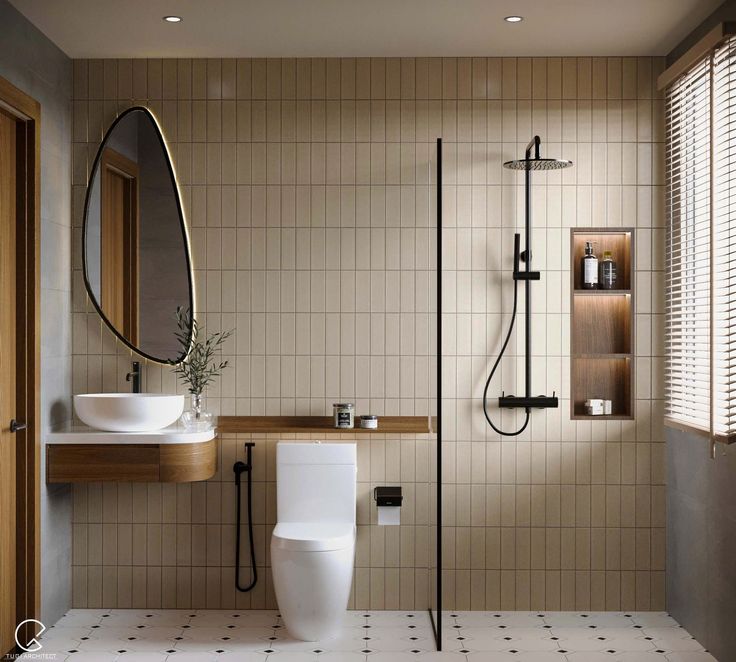 Matte porcelain floor tiles with an R10 slip rating — a common specification for bathroom renovations in Bentong and Pahang
Best Tile Colors and Styles for Modern Malaysian Bathrooms
The all-white bathroom is largely out. Layered, textured looks with considered colour choices are where most renovation projects are heading — and this shows up clearly in what customers come to our showroom looking for.
Marble-look porcelain — The visual appeal of marble without the maintenance. Real marble is porous and stains in wet environments; in a Malaysian bathroom, it needs regular sealing and polishing to stay looking good. Porcelain tiles printed with marble patterns give you the aesthetic with none of those requirements.
Concrete-look tiles — Popular for modern and industrial-style homes. They typically come in grey, warm taupe, or off-white tones and pair well with matte black or brushed brass fittings. Matte-finish versions handle wet areas well and tend to age gracefully.
Neutral tones — Warm whites, greige, and soft beige remain reliable choices. They photograph well for resale, work with most fitting styles, and make compact bathrooms feel larger. A good proportion of the renovation projects we supply in Pahang use a neutral base for exactly these reasons.
Wood-look tiles — Actual timber in a Malaysian bathroom is a bad idea — warping, swelling, and mould are inevitable. Porcelain wood-effect tiles give you the warmth and texture without any of those problems. Most are available in matte finishes that are floor-safe.
A practical approach that works well for mid-range renovations: one feature wall in a stronger style — marble-look, a contrasting tile, or a bold texture — and the remaining walls and floor in a complementary neutral. It adds character without making the space feel overdone or quickly dated.
Browse our bathroom tile collection for current styles available at the showroom.
Common Mistakes When Choosing Bathroom Tiles
These come up repeatedly in the renovation projects we supply across Pahang, and they're all avoidable with a little forward planning.
Using glossy tiles on the floor. The single most common error we see. Glossy floor tiles look beautiful in product photos and feel luxurious to the touch — right up until someone slips on them. They also show water marks, soap residue, and footprints more visibly than matte alternatives. Save the gloss for walls.
Choosing cheap porous tiles to reduce upfront cost. The tile itself might be inexpensive, but the real cost shows up later: staining that won't scrub out, mould that requires chemical treatment, and tiles that eventually need replacing years earlier than they should. In a bathroom, tile quality is a long-term maintenance decision, not just a purchase price.
Ignoring grout colour and joint width. Light-coloured cement grout looks clean on installation day but shows mould within months in a humid Malaysian bathroom. Epoxy grout resists moisture and mould far better. Darker grout tones are also more forgiving over time. Wide grout joints compound the problem — they accumulate grime faster and are harder to keep clean.
Chasing trends without thinking about practicality. Heavily textured tiles or intricate mosaic patterns can look striking but trap soap scum in every crevice. Before committing to a decorative choice, ask yourself one question: how easy is this to wipe down every week?
Mismatching tile size to room dimensions. Large-format tiles in a small bathroom result in excessive cut pieces around the edges, which looks messy and wastes material. Very small tiles in a large bathroom create a busy visual that can feel dated. Come into the showroom with your bathroom measurements — it changes the tile size conversation significantly.
Recommended Bathroom Tile Options in Malaysia
Based on what performs well in humid Malaysian conditions and what holds up in real renovation projects across Pahang:
Fully vitrified porcelain tiles (matte finish) — The strongest all-around choice for bathroom floors. Water absorption below 0.5%, good natural slip resistance, durable, and available in a wide range of finishes from stone-look to concrete-look to plain tones.
Large-format tiles (600×1200mm or 800×800mm) — Fewer grout lines means less maintenance and a cleaner, more contemporary visual. Works on both walls and floors. Particularly effective in mid-size to larger bathrooms where the scale of the tile reads well.
Textured or structured floor tiles — For shower areas and wet zones specifically, a textured surface provides reliable grip without anti-slip coatings that wear off over time. This is what we typically recommend for shower trays in homes with elderly family members.
Mosaic tiles (accent use) — Best reserved for feature walls, shower niches, or border details rather than full surfaces. The higher grout-line density of a full mosaic surface makes it harder to maintain in a humid environment.
Slim-format wall tiles (300×600mm or 300×900mm) — A clean vertical or horizontal stacked pattern that reads as contemporary without being fussy. One of the more popular wall tile choices for renovations we supply in Bentong and Raub.
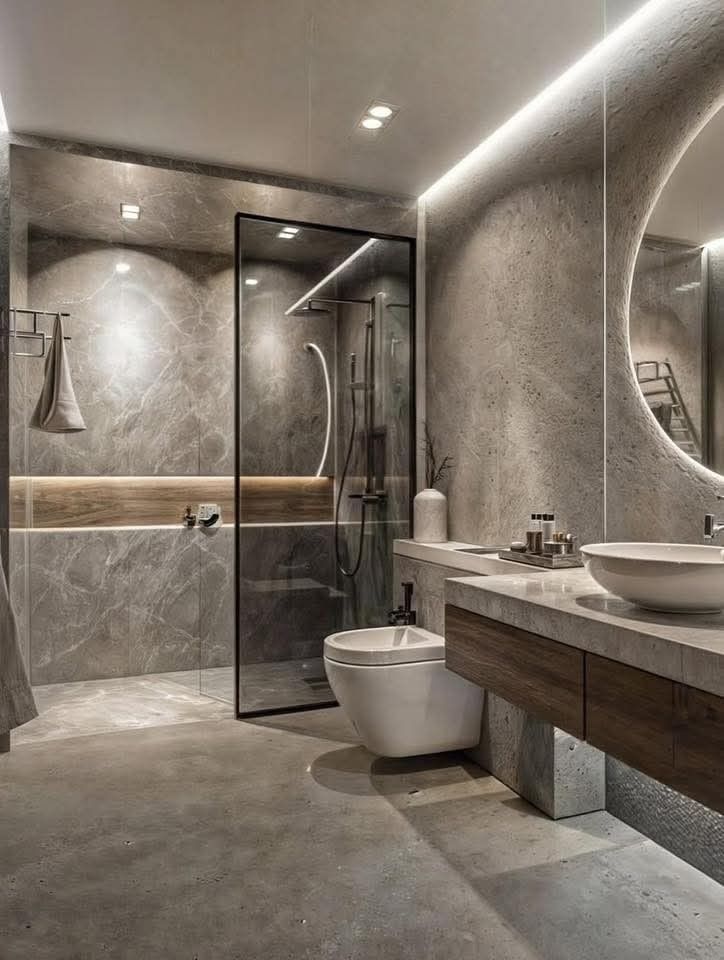 Large-format porcelain tiles reduce grout lines and daily maintenance — popular for bathroom renovations in Pahang
Where to Buy Bathroom Tiles in Bentong, Pahang
Tile photographs — on websites, in catalogues, on your phone — don't reliably capture surface texture, actual size, or true colour tone. These are the things that most affect how a tile looks once installed across a full floor or wall. We hear this regularly from customers who ordered tiles based on online photos and were surprised when the reality didn't match their expectation.
Seeing samples in person before committing is genuinely worth it, especially for a decision you'll be living with for the next ten to fifteen years.
Low Brother Ceramics is located in Taman Anggerik Utama, Bentong, and has been supplying tiles for residential and renovation projects across Pahang since 1991. We carry a range of porcelain and ceramic tiles for bathrooms — anti-slip floor options, large-format tiles, wall tile ranges in current styles, and mosaic accent tiles. We serve customers from Bentong, Raub, Karak, Mentakab, Temerloh, and beyond.
When you come in, bring your bathroom dimensions. It makes the selection process faster and helps us give you a more accurate estimate on quantities. Whether you're working with a contractor or managing your own renovation, the showroom is the fastest way to narrow down your options and avoid costly mistakes.
Learn more about our showroom and the tile ranges we carry.
Key Takeaways
- Porcelain tiles outperform ceramic for Malaysian bathrooms — especially in wet zones and shower areas
- Anti-slip matte tiles rated R10 or above are essential for floors; glossy tiles belong on walls only
- Water absorption below 0.5% is the single most important technical spec to check before buying floor tiles
- Large-format tiles reduce grout lines and significantly cut long-term cleaning effort
- Seeing real tile samples in a showroom prevents the most common post-renovation regrets
Frequently Asked Questions
Are porcelain tiles better than ceramic for bathrooms?
For Malaysian bathrooms, yes. Porcelain tiles are much denser and absorb almost no water — typically below 0.5% — which makes them resistant to mould, staining, and general wear in wet conditions. Ceramic tiles are adequate for bathroom walls but are less suited for floors and shower areas because their water absorption rate of 3–7% allows moisture penetration over time.
What bathroom tiles are easiest to clean?
Large-format matte porcelain tiles with minimal grout lines are the easiest to maintain. Fewer grout lines means fewer areas where soap scum and mould accumulate. Smooth matte surfaces wipe down easily with a regular bathroom cleaner and don't show water marks the way gloss tiles do.
What tiles are safest for wet bathroom floors?
Matte porcelain tiles or textured floor tiles rated R10 or above offer the best slip resistance for wet floors in Malaysia. Avoid polished or high-gloss finishes on any bathroom floor surface, especially shower areas and anywhere elderly family members or young children use regularly.
Are matte tiles better than glossy tiles for bathrooms?
For floors, matte tiles are significantly better — they provide grip, hide water marks, and don't show footprints or soap residue as readily. For walls, glossy tiles are perfectly fine and reflect light well in smaller bathrooms. The distinction is about floor versus wall application, not a general preference for one finish over the other.
How do I prevent mould on bathroom tile grout?
Use epoxy grout rather than standard cement grout — it's non-porous and mould-resistant. Choose darker grout tones that don't visibly show early staining. Keep grout lines narrow where the tile size allows, and ensure adequate ventilation so moisture can escape after each shower rather than sitting on surfaces for hours.
What tile size is best for a small Malaysian bathroom?
Medium-format tiles (300×600mm or 600×600mm) generally work better than very large or very small formats in compact bathrooms. Very large tiles result in many awkward cut pieces at the edges; very small tiles create busy grout patterns that can make a space feel more cramped than it is. Bring your measurements to the showroom — it makes this decision much clearer.
Low Brother Ceramics supplies porcelain and ceramic tiles for residential and renovation projects across Pahang — including Bentong, Raub, Karak, Mentakab, and Temerloh. Visit our showroom at Taman Anggerik Utama, Bentong, or WhatsApp 016-383 1925 to discuss your project.